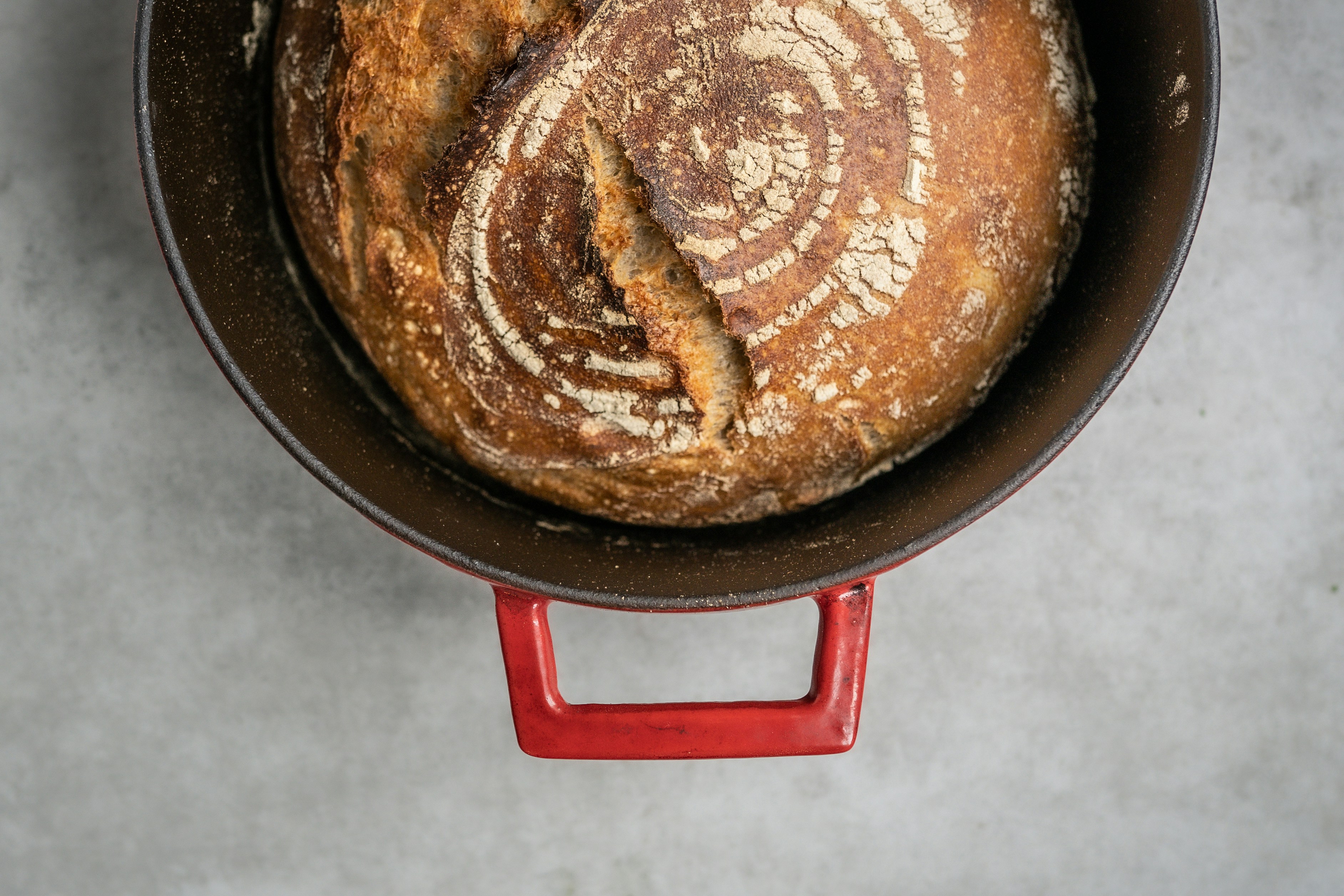
Stone-milled. Hand-picked. Baker-tested.
Everything the serious home baker hunts across a dozen tabs — the T85, the hand-forged lame, the exact banneton — in one place. Curated by bakers with active starters.
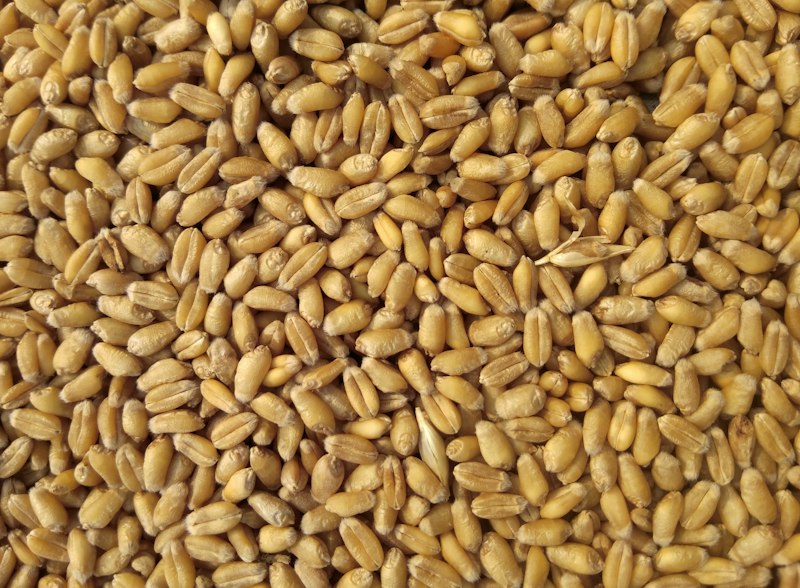
All-purpose flour from the grocery shelf
Bleached, bromated, sitting in a warehouse since last season. The germ and bran stripped out. Consistent, yes — but consistently flat.
- Milled months ago, germ removed to extend shelf life
- No traceability — could be any wheat from any state
- Starter ferments slower on bleached flour
- Crumb closes up, crust stays pale
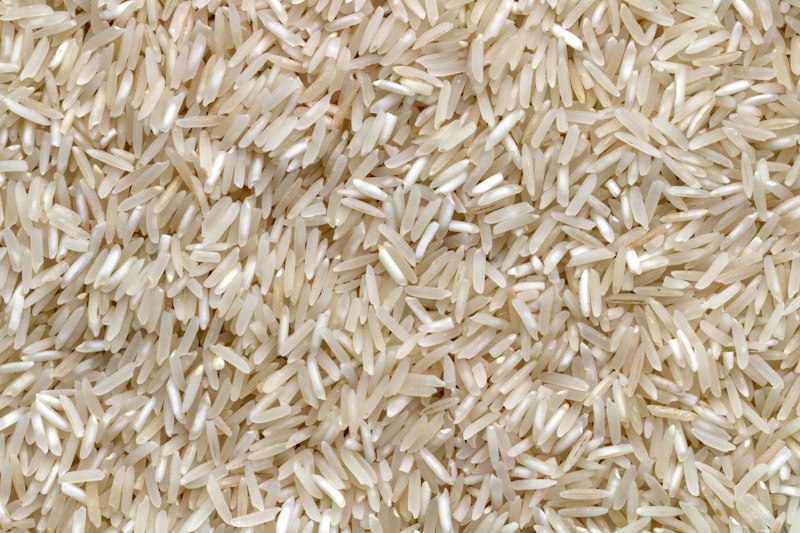
Fresh-milled Type 85 from named farms
Stone-milled T85 keeps 85% of the grain intact — the bran, the oils, the sugars that feed your starter. You can smell the wheat when you open the bag.
- Milled within 48 hours of your order — still enzymatically active
- Traceable to a specific farm and harvest year
- Higher ash content feeds a more vigorous starter
- Open crumb, deep mahogany ear, mineral finish
A serrated bread knife, held at a guess
The knife drags. The dough deflates on the backstroke. You get a tear, not an ear — and the loaf never fully blooms the way the crumb wants to.
- Serration catches and tears the skin of the dough
- No blade angle control — you're guessing every time
- Deflates the gas structure you've spent 18 hours building
- Results in a blowout, not a bloom
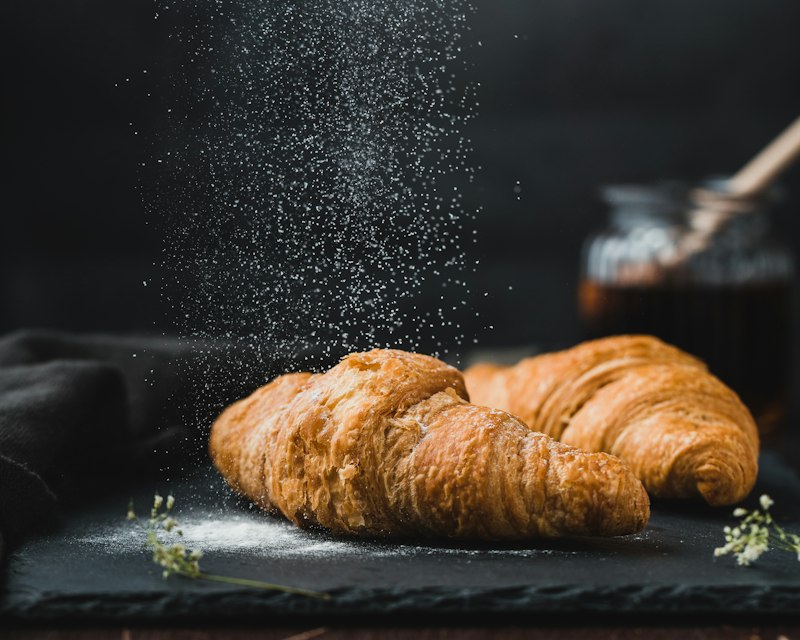
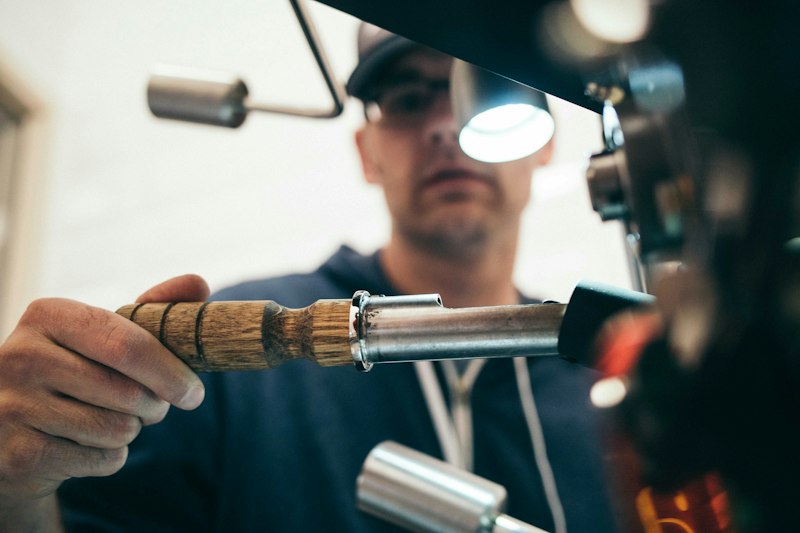
A hand-forged lame with a curved French blade
A proper lame held at 30–45° cuts in one clean motion. The blade is replaced after every 10 loaves. The ear opens like a book spine.
- Single-bevel French blade cuts without drag or deflation
- Curved handle locks your wrist angle at 30–45°
- Replaceable blades — dull scoring is the #1 bloom killer
- Consistent ear every bake, regardless of hydration
A mixing bowl lined with a floured tea towel
The towel sticks. The dough tears when you flip it. The bottom is flat, the shape is irregular, and the crumb has no structure to push against during the oven spring.
- Towel fibers stick to wet dough above 75% hydration
- No structure support — dough spreads flat during proof
- Irregular shape means uneven oven spring
- Surface tears destroy the skin tension you built in shaping

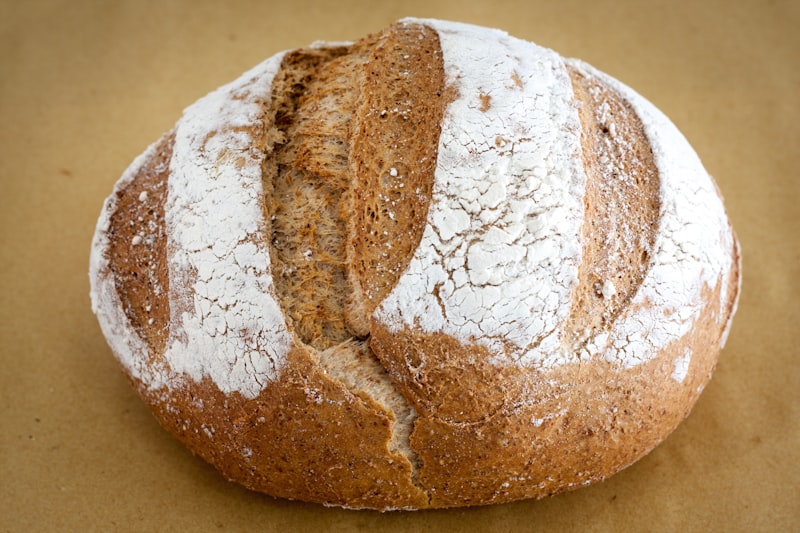
A handwoven rattan banneton with rice flour spiral
The banneton's spiral holds the shape during the final proof. Rice flour fills the grooves so the dough releases clean. The pattern transfers to the baked crust.
- Rattan wicker wicks moisture, preventing sticking
- Spiral structure supports the dough's shape for up to 18 hours
- Rice flour blend fills grooves — releases in one clean inversion
- The spiral imprint on the baked crust is proof of proper proofing
Curated by bakers with active starters.
Every product in the shop has been tested in our own kitchens. If it doesn't improve the bake, it doesn't make the shelf.

Margot Ellison
Head Grain Buyer80% hydration, stone-milled spelt
"If the miller can't tell you which farm the wheat came from, I'm not buying it."
High-extraction flours, ancient grains
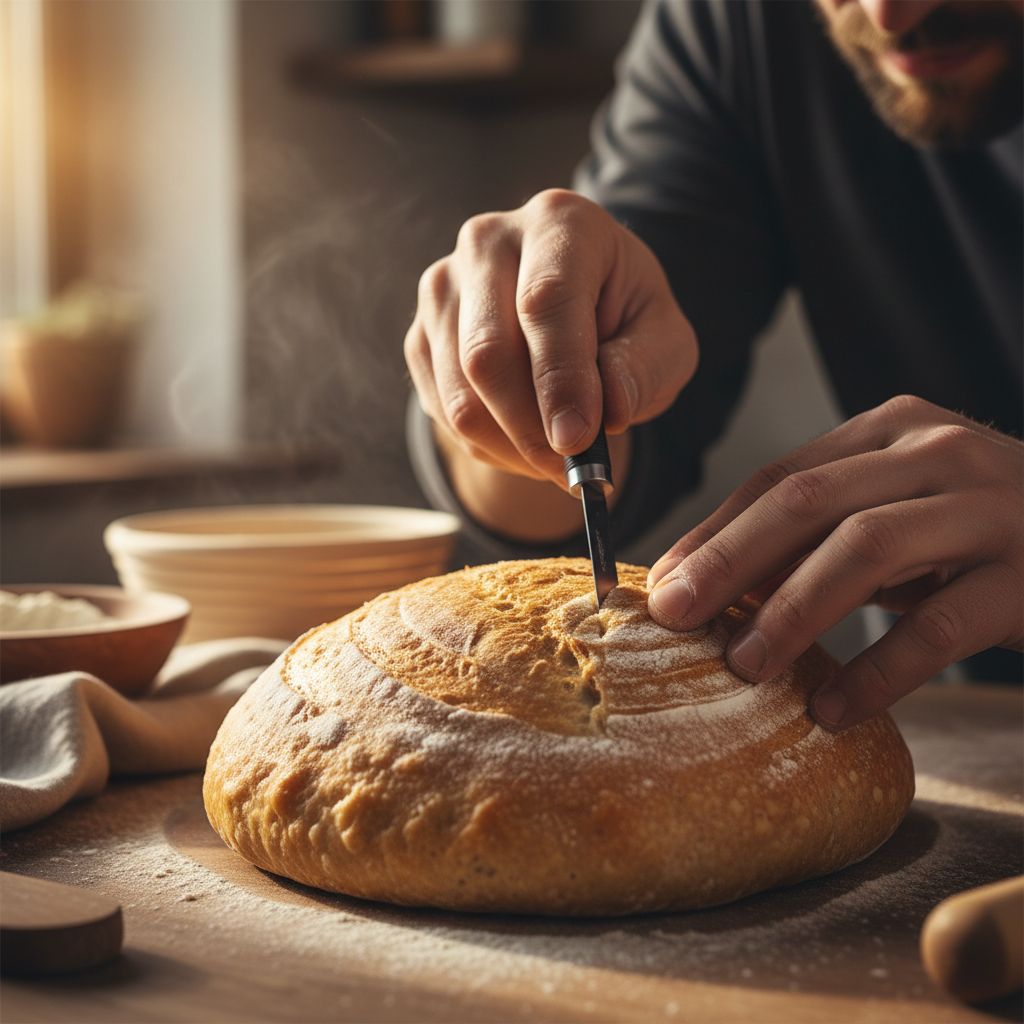
Theo Nakashima
Tools Curator100% hydration, whole rye
"A lame should feel like an extension of your hand, not an afterthought from a restaurant supply catalog."
Scoring, proofing vessels, Dutch ovens
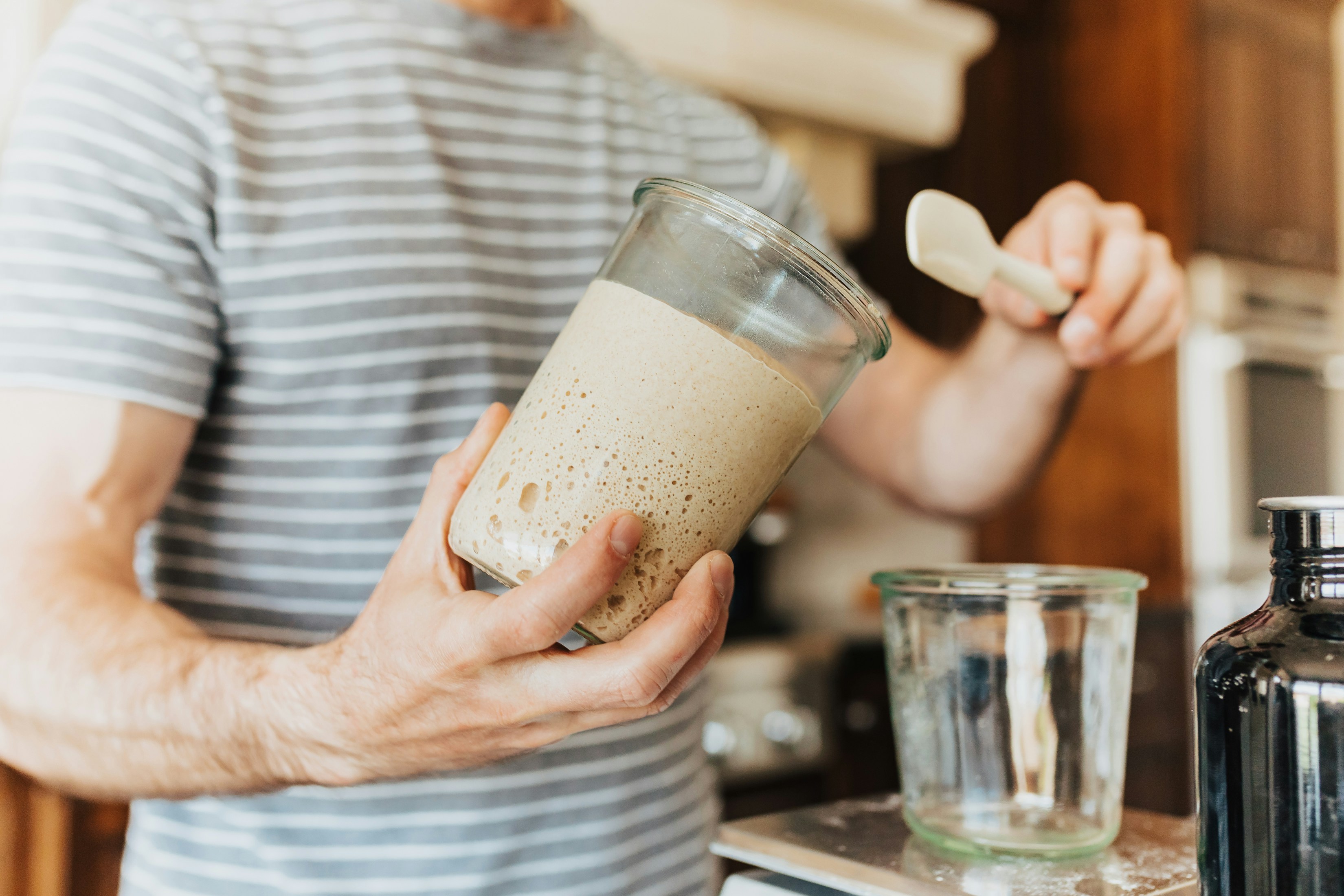
Priya Subramaniam
Community Lead75% hydration, red fife
"The forums are full of people asking why their crumb is tight. Usually it's the flour — not the baker."
Starter culture, fermentation timing
Build your complete bake kit — guided by our team.
Answer 4 questions about your baking practice and we'll curate a starter kit with the exact flours, tools, and vessels that match your style.
Build My Kit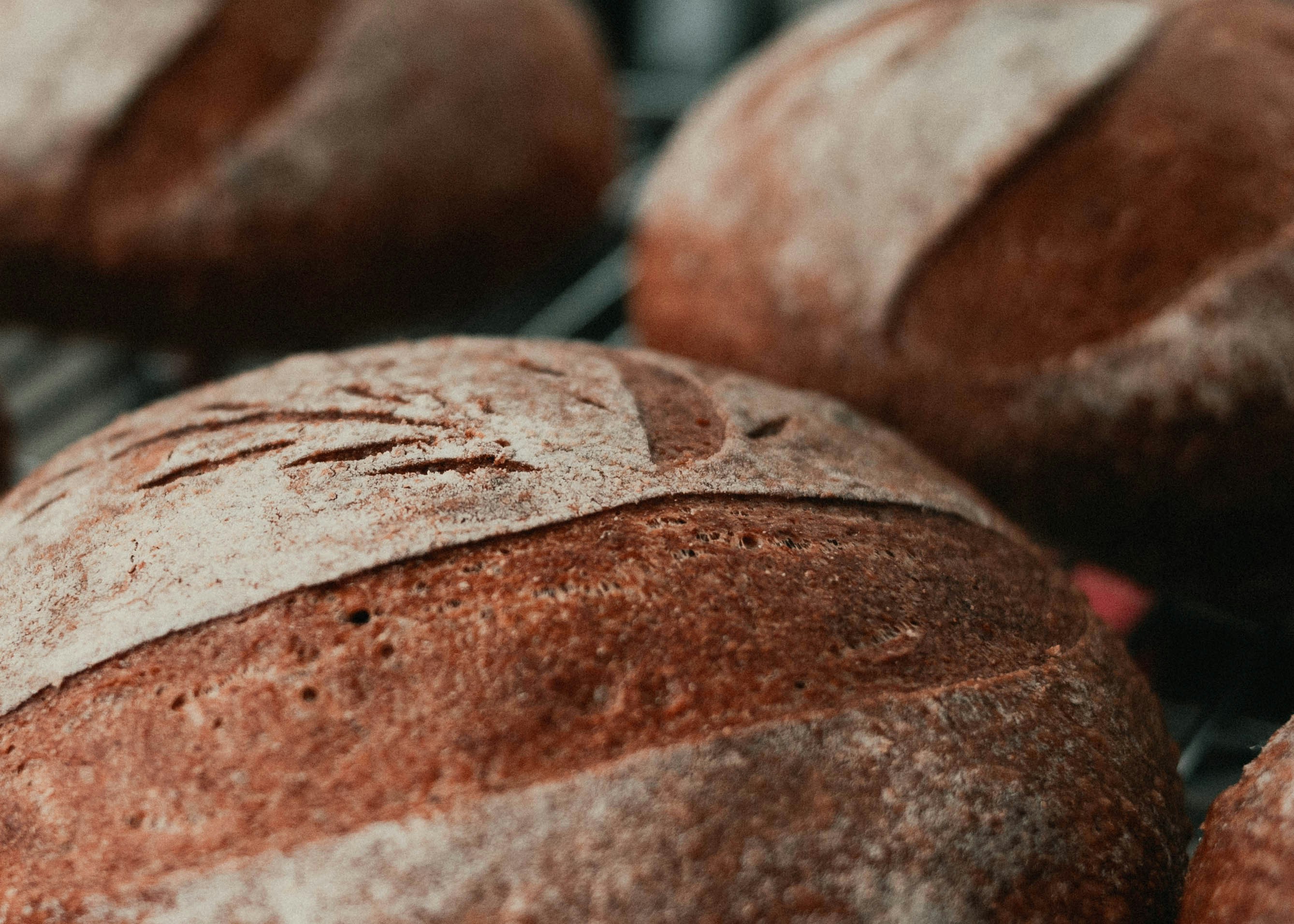
Everything you've been hunting — finally in one bag.
Yecora Rojo T85. Red Fife whole wheat. Emmer ancient grain. Three flours that will change what you think a sourdough can taste like. Limited to 200 units.